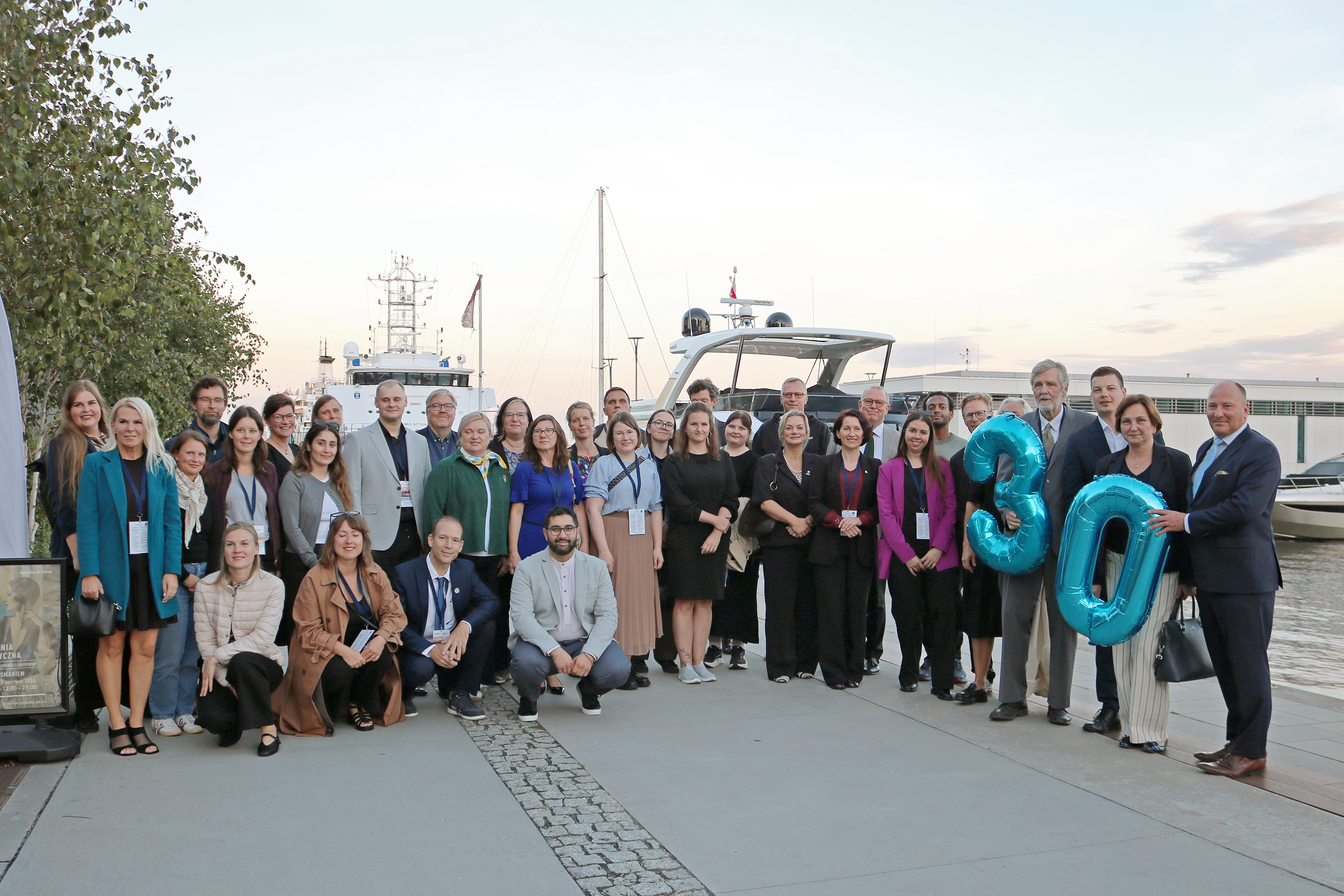
30th anniversary of sustainability cooperation
This year, the Secretariat of the UBC Sustainable Cities Commission is celebrating 30 years from its establishment in the City of Turku, Finland. This date was celebrated at the annual Commission meeting on 7 September 2026, which brought together over 60 city representatives to reflect on achievements and discuss priorities ahead.
The anniversary meeting celebrated its successes with the invited guests who have been at the core of the cooperation for many years:
- Mikko Jokinen, Member and Co-Chair of the Sustainable Cities Commission (1991-2013)
- Björn Grönholm, Head of the Sustainable Cities Commission Secretariat (2006-2021)
- Dagmara Nagorka-Kmiecik, Advisory Board Member of the Sustainable Cities Commission (2006-2026)
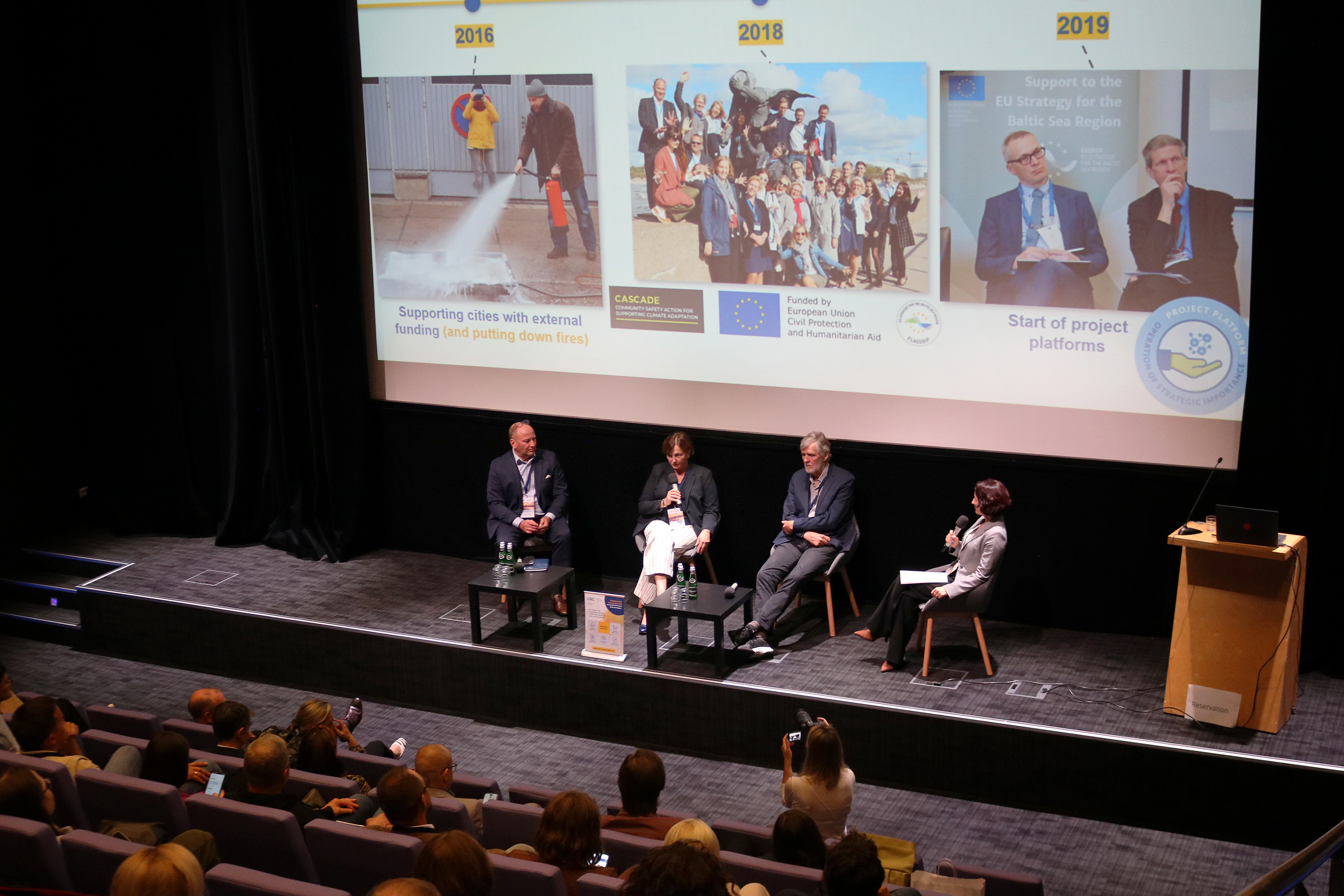
In the panel facilitated by the current Head of UBC SCC Secretariat Agnieszka Ilola, they reflected on the work over the years. Among its many achievements, the SCC Secretariat helped bring the principles of the Aalborg Charter into city practice, carried out the first UBC Sustainability Survey in 2001, and launched the first UBC Sustainability Action Programme in as early as 2004.
After looking at the 30 years of sustainability cooperation, the meeting then turned its gaze to the future. Magnus Qvant and Silvia Haslinger Olsson from the UBC partner Nordic Urban Resilient Institute modelled what our cities might look like in ten years. This keynote explored the next frontier of urban development, focusing on key trends shaping resilient cities. An interactive resilient future cities lab that followed created a space for participating cities to map their topical focuses and wishes, and jointly explore solutions and opportunities for future cooperation.
The programme highlighted the Commission’s role as a platform where cities can not only share experiences, but also shape joint initiatives that respond to emerging urban sustainability challenges.
Baltic Active Mobility 2026 conference
The attention on 8-9 September turned towards the Baltic Active Mobility conference – joined by over 165 experts in the field from local, regional, national, and European authorities, and expert organisations. This conference was launched by the project SUMPs for BSR, led by the UBC Sustainable Cities Commission, in cooperation with the BATS project (both co-funded by the Interreg BSR Programme). The conference explored how active mobility and strong Sustainable Urban Mobility Planning can contribute to healthier, more resilient and future-ready cities.
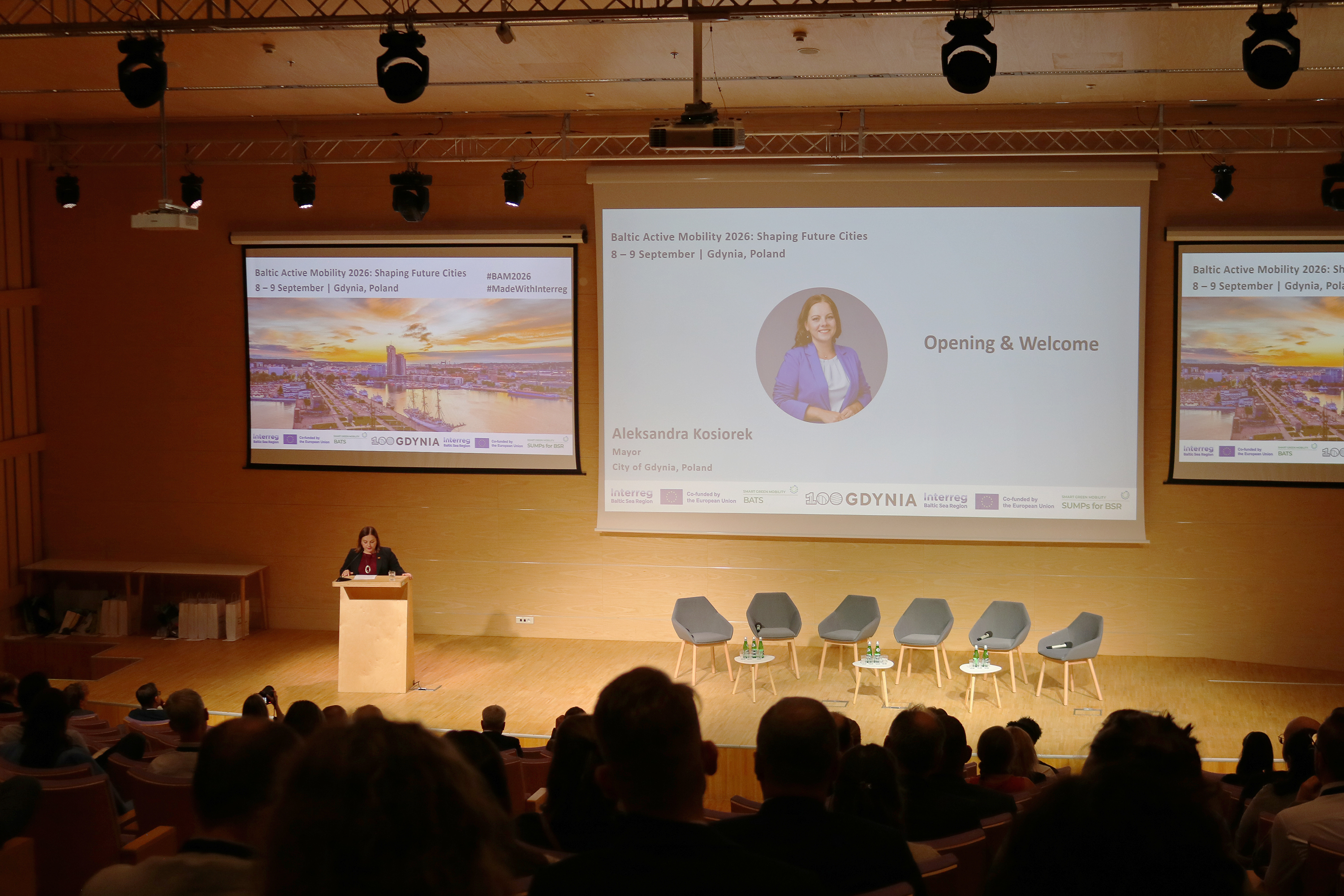
Under the theme “Shaping Future Cities”, participants learned how walking, cycling and well-designed Sustainable Urban Mobility Plans (SUMPs) can help cities reduce emissions while improving quality of life. High-level speakers and panellists from cities, national authorities, European institutions and research organisations discussed how governance, policy frameworks and funding can better support the transition towards resilient urban mobility systems. Particular attention was given to the role of active mobility in achieving climate goals, improving public health and creating attractive public spaces.
Beyond policy discussions, the conference showcased practical tools and experiences from across the Baltic Sea Region. Sessions explored topics such as monitoring the impact of mobility measures, strengthening cooperation between cities and surrounding regions, and engaging stakeholders in transport planning. Site visits provided opportunities to experience Gdynia’s mobility solutions first-hand and to exchange knowledge directly with peers. Together, the programme demonstrated that accelerating the shift towards sustainable mobility requires not only ambitious strategies, but also collaboration, data-driven decision-making and continuous learning between cities facing similar challenges.
The UBC Vice-President Elina Rantanen, Deputy Mayor of the City of Turku, joined the conference panel discussion on the role of sustainable mobility in achieving cities’ climate objectives. She emphasised that investing in active and sustainable travel modes is essential for creating more liveable cities.
“Improving the conditions for walking, cycling and use of public transport is especially important as Turku aims for carbon neutrality by 2029. Focusing on this also improves the health and life quality of residents,”
— Elina Rantanen, Deputy Mayor of the City of Turku
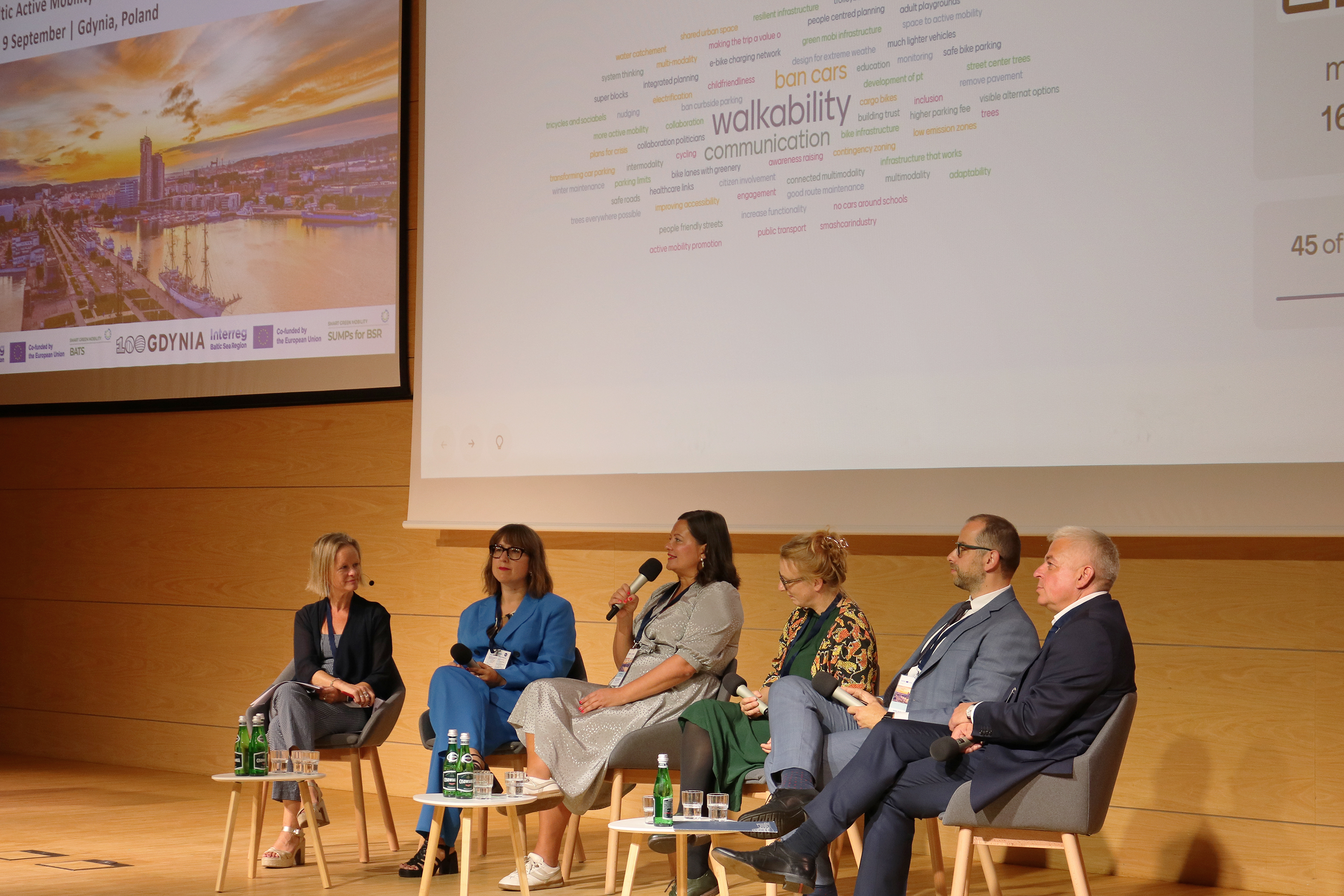
These remarks reflected one of the conference’s key messages: sustainable mobility delivers multiple benefits, supporting climate goals while also improving public health, quality of life, and urban resilience.