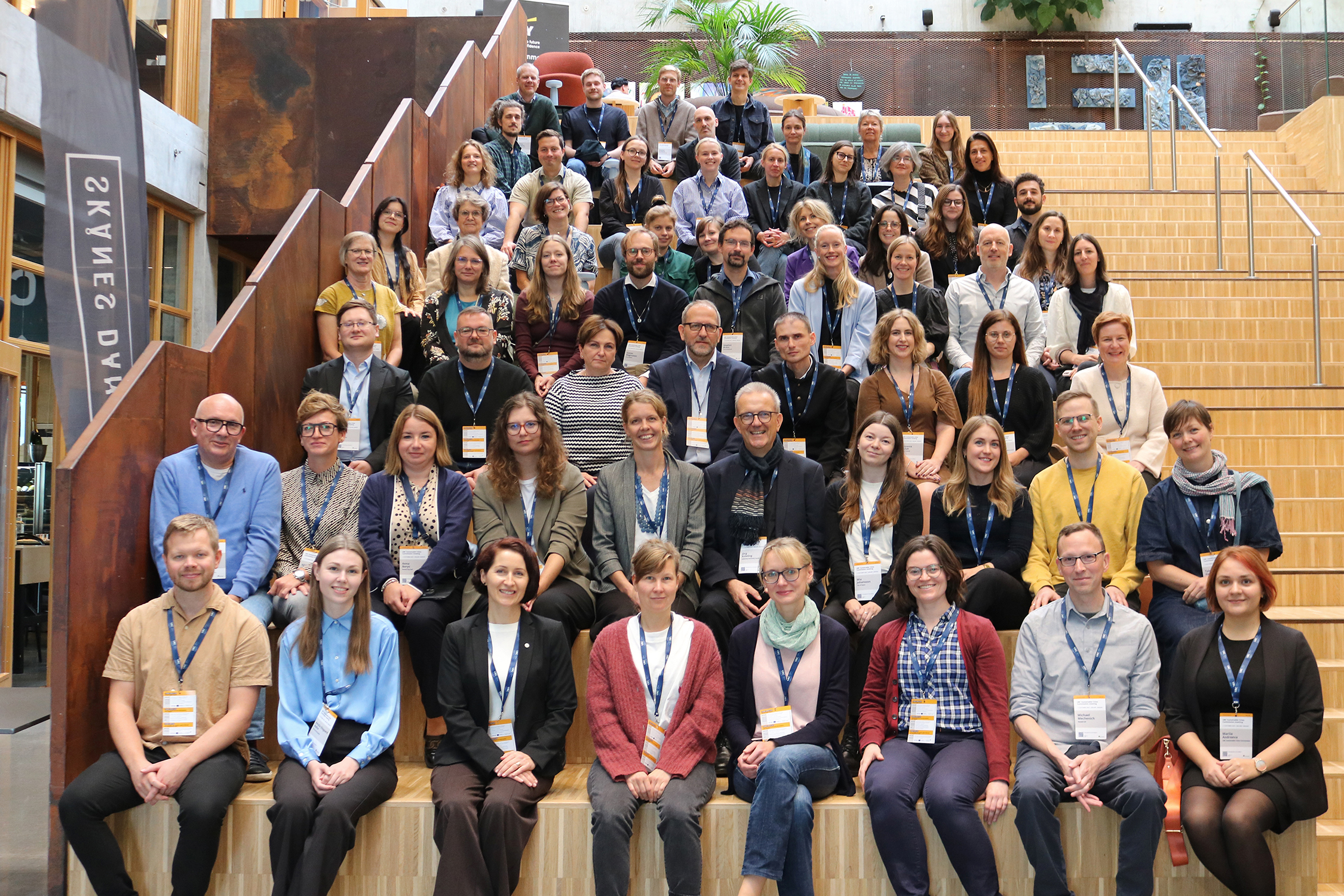
With cities increasingly on the frontlines of climate change, the 2025 meeting served as a vital platform for knowledge exchange and collaboration. Over the course of three days, representatives from 21 local authorities – including mayors, climate protection and environmental experts, strategic planners, and financial officers – participated in a dynamic mix of keynote presentations, hands-on workshops, city showcases, and study visits. The agenda reflected the complexity and urgency of the climate and biodiversity crises, while keeping a focus on practical tools and establishing new targeted collaborations.
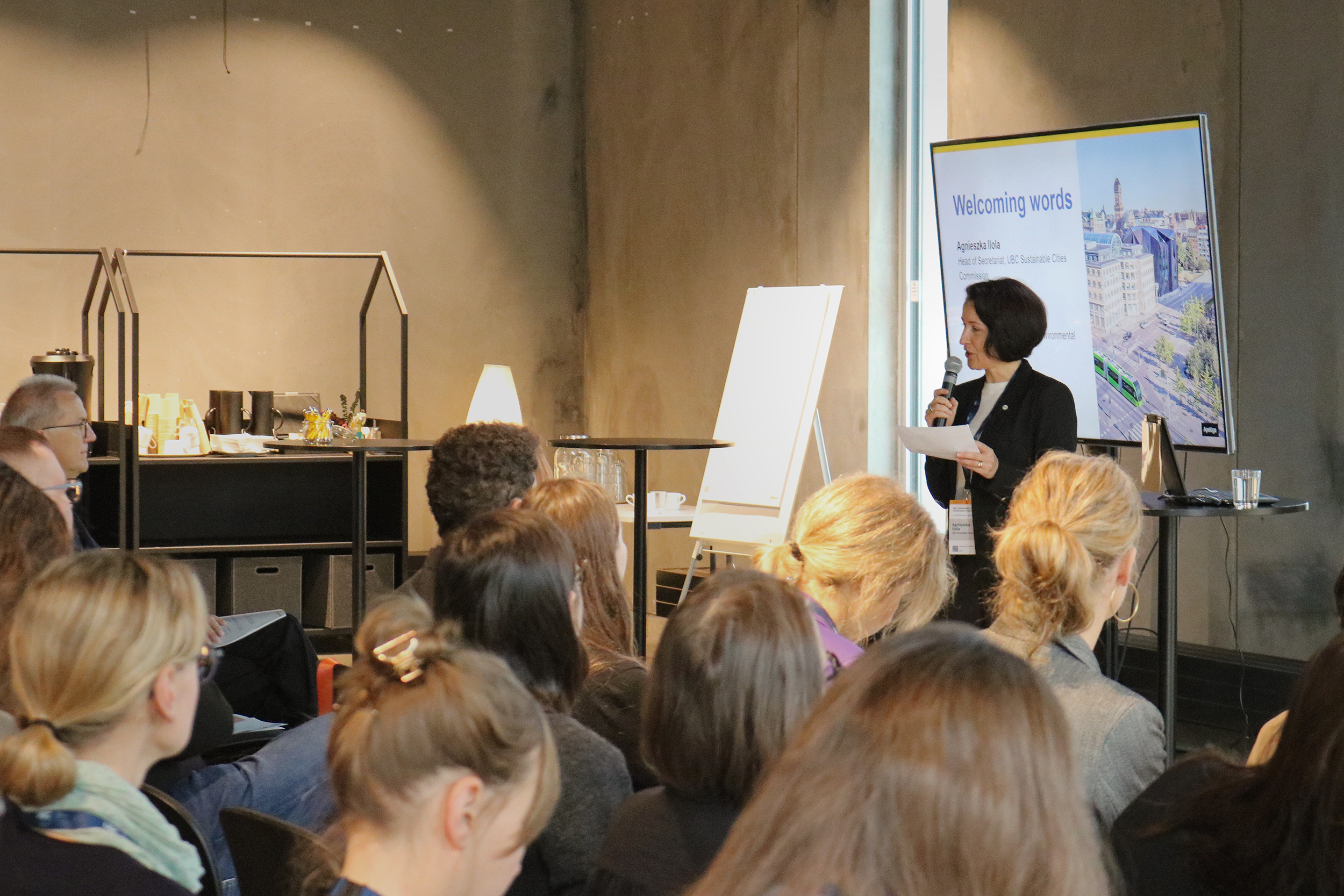
On the photo: Agnieszka Ilola, Head of UBC SCC Secretariat, welcoming the participants of the Commission meeting 2025.
Diverse landscapes of climate budgeting
The event opened with a Climate Budget Summit, held in collaboration with the Climate-4-CAST project, introduced how cities can use climate budgeting to translate high-level climate targets into tangible and quantifiable local actions. The inspirational welcome speech from Thea Ohlander Arfwidsson, Head of Program Unit at the Malmö Environmental Department, kick-started the discussions with an overview of the city’s ongoing climate transition by 2030.
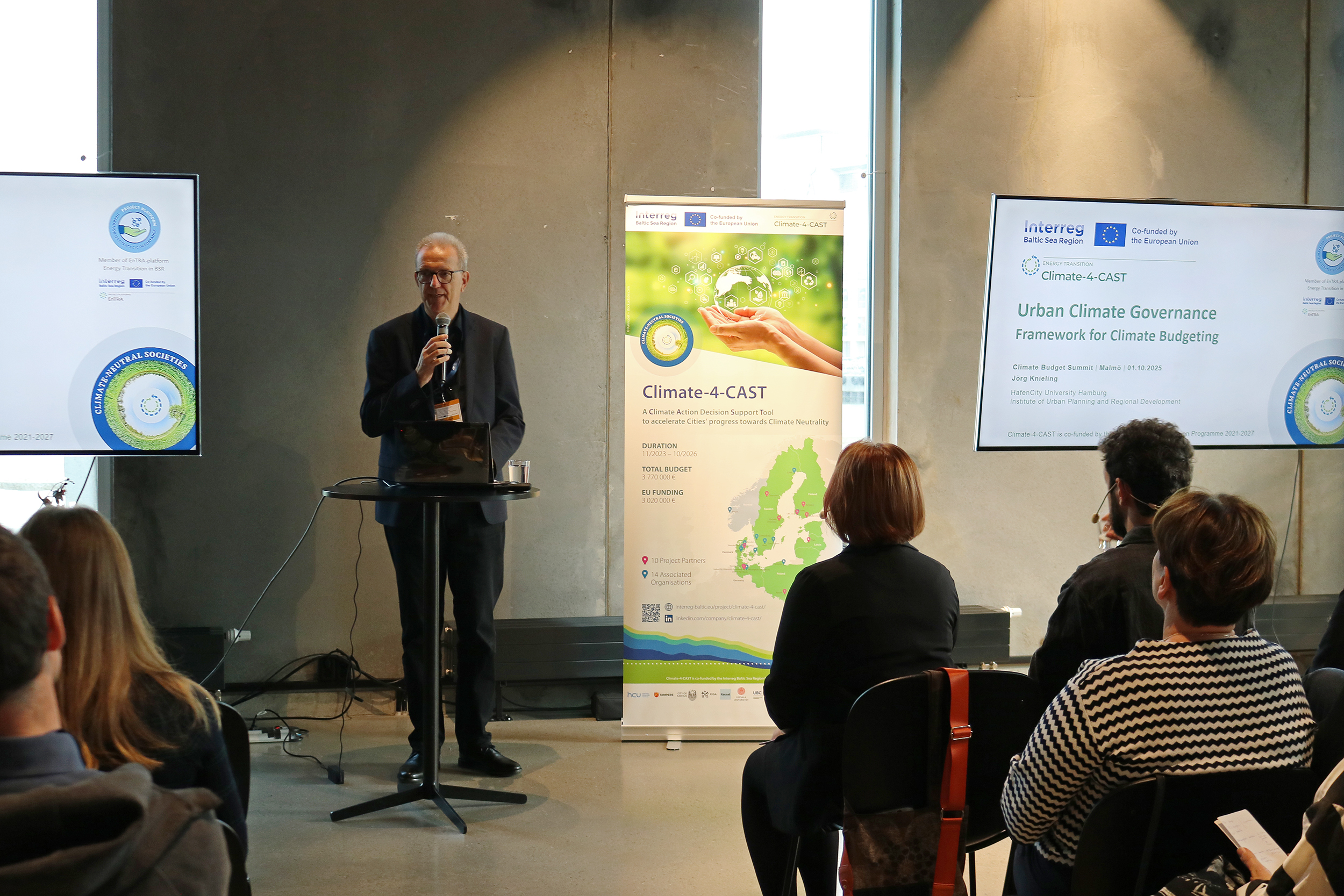
In the keynote on urban climate governance, Jörg Knieling, Chair of Institute of Urban Planning and Regional Development at the HafenCity University Hamburg, presented the concept to set the basis for all further discussions of the day.
“Every city needs to find its way to organize its climate governance. It’s a multiactor game where many organisations need to cooperate.”
— Jörg Knieling, HafenCity University Hamburg
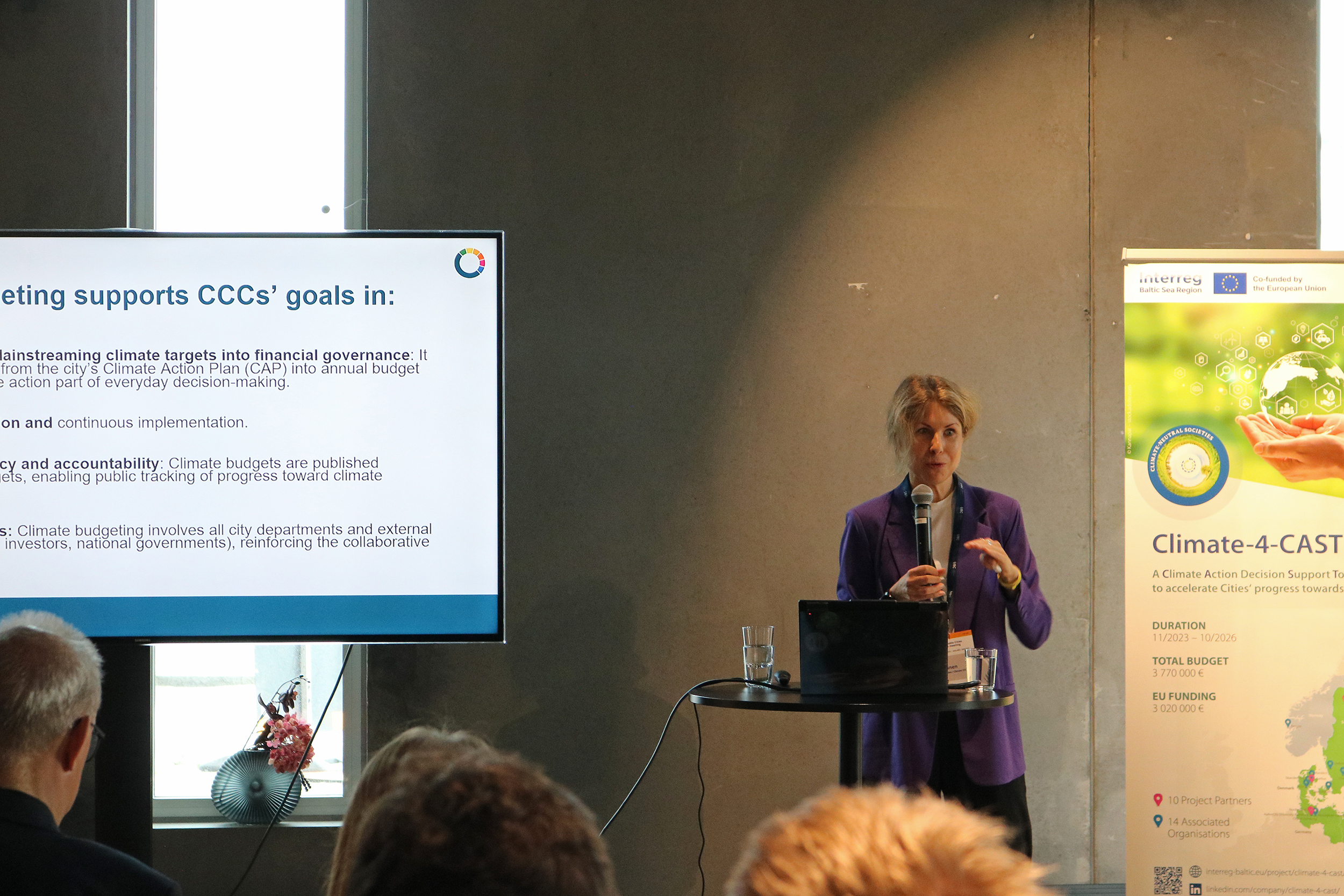
When addressing the complex topic of climate budgeting, it’s also important to align the local and regional actions with the European climate leadership, utilising the already existing tools and expertise. In the second keynote, Anna Huttunen, City Advisor at the NetZeroCities project, presented the EU Cities Mission 2030 and the support that the Mission provides for all climate-ambitious, or Mission-minded, cities.
A climate budget can in fact take many different shapes – and it’s up to the cities themselves to decide which format could work in their local context. Following the contextual outline with case studies, participants explored the range of approaches to climate budgeting from the Cities of Copenhagen, Bergen, Turku, and Krakow. Copenhagen and Bergen have applied climate budgeting practices already for several years, demonstrating how it can develop and change based on the needs of decision-makers and experts. Turku’s climate budget takes the form of the EU sustainable finance taxonomy classification, opening opportunities for green funding. And Krakow is taking the first steps on this process, securing the political will and outlining the strategy for proceeding with it.
To support the implementation of climate budgets, the Climate-4-CAST project develops a Climate Action Decision Support (CADS) Tool, which offers the calculation and forecasting of climate measures, their effectiveness, and their visualization on a timescale leading to the projected climate or carbon neutrality year. Six cities within the project have been testing and tweaking the tool to their needs, and the City of Tampere presented at the Summit its experiences from the development over the years.
The Summit was concluded with the introduction of the climate budgeting training course that is offered by the UBC Sustainable Cities Commission: it will consist of a webinar, three online trainings, and a concluding physical event. All cities interested in exploring the topic of climate budgets are warmly welcome to join! More info on the training page »
Nature-positive cities
Opening the second day, UBC SCC Advisory Board Co-Chair from the City of Malmö Per-Arne Nilsson extended the ambition for BSR cities to be the cities of hope. The topic of the day was also climate-related, but shifting the perspective to the integration of biodiversity into urban planning. Urban ecosystem services and biodiversity not only enhance cities’ capacity to adapt to climate change but also help mitigate its impacts, and strengthen the overall resilience of urban environments.
Expert speakers from SLA Copenhagen, ICLEI’s Cities Biodiversity Center, and the Urban Biodiversity Parks project offered strategic and practical insights into designing nature-positive cities that support ecosystems and boost citizen health, creativity, and quality of life.
Local action drives global progress
The keynote speaker Ingrid Coetzee, Director of Biodiversity, Health & Nature at ICLEI, emphasized the critical role of cities in achieving global biodiversity targets. She highlighted several priority actions for cities, including stronger alignment of local initiatives with national biodiversity and ecosystem restoration strategies, wider application of nature-based solutions and ecosystem-based approaches and stronger collaboration between national and local governments. Local action is essential for meeting national and global biodiversity goals. Therefore, it is vital that cities have access to effective tools to monitor their progress and assess the impacts of their actions.
Coetzee also presented an outline of the global cooperation framework and existing tools for biodiversity monitoring and reporting, inviting UBC cities to prepare joint messages for COP17, which will take place in October 2026 in Yerevan.
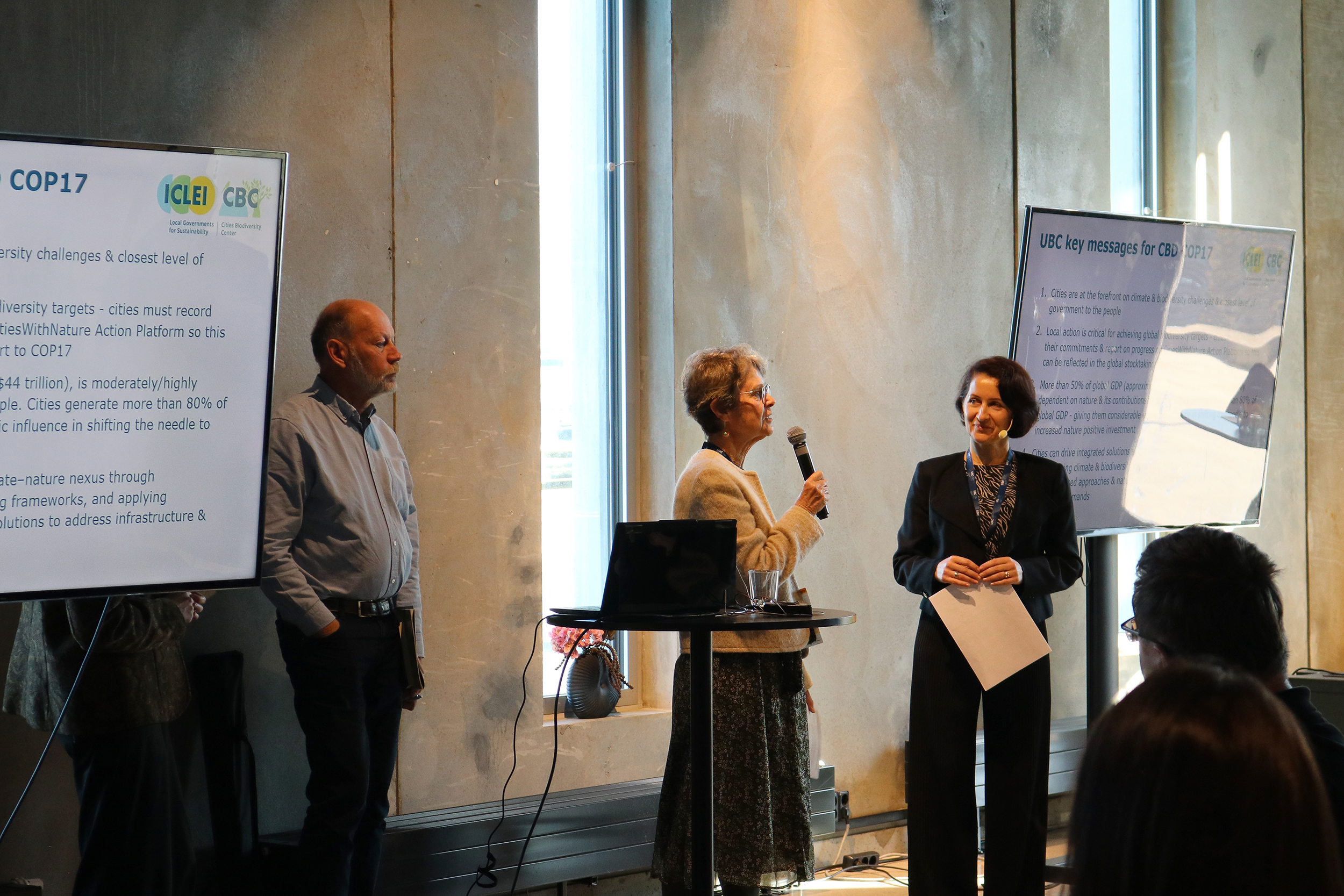
On the photo: Discussing UBC key messages for COP17 (left to right: Per-Arne Nilsson, Ingrid Coetzee, Agnieszka Ilola)
“A city with a strong city nature is a more well-functioning, more viable and more adaptable city.”
— Louise Fill Hansen, SLA Copenhagen
Cities are on the frontline of the climate and biodiversity crisis, closest to the people and best positioned to act. Not only do they experience the impacts firsthand, but they are also first to develop innovative and applicable solutions that others can learn from. Inspiring examples from Turku, Lahti, Riga, Tartu, Greifswald and Umeå demonstrate that cities are ready to take bold actions!
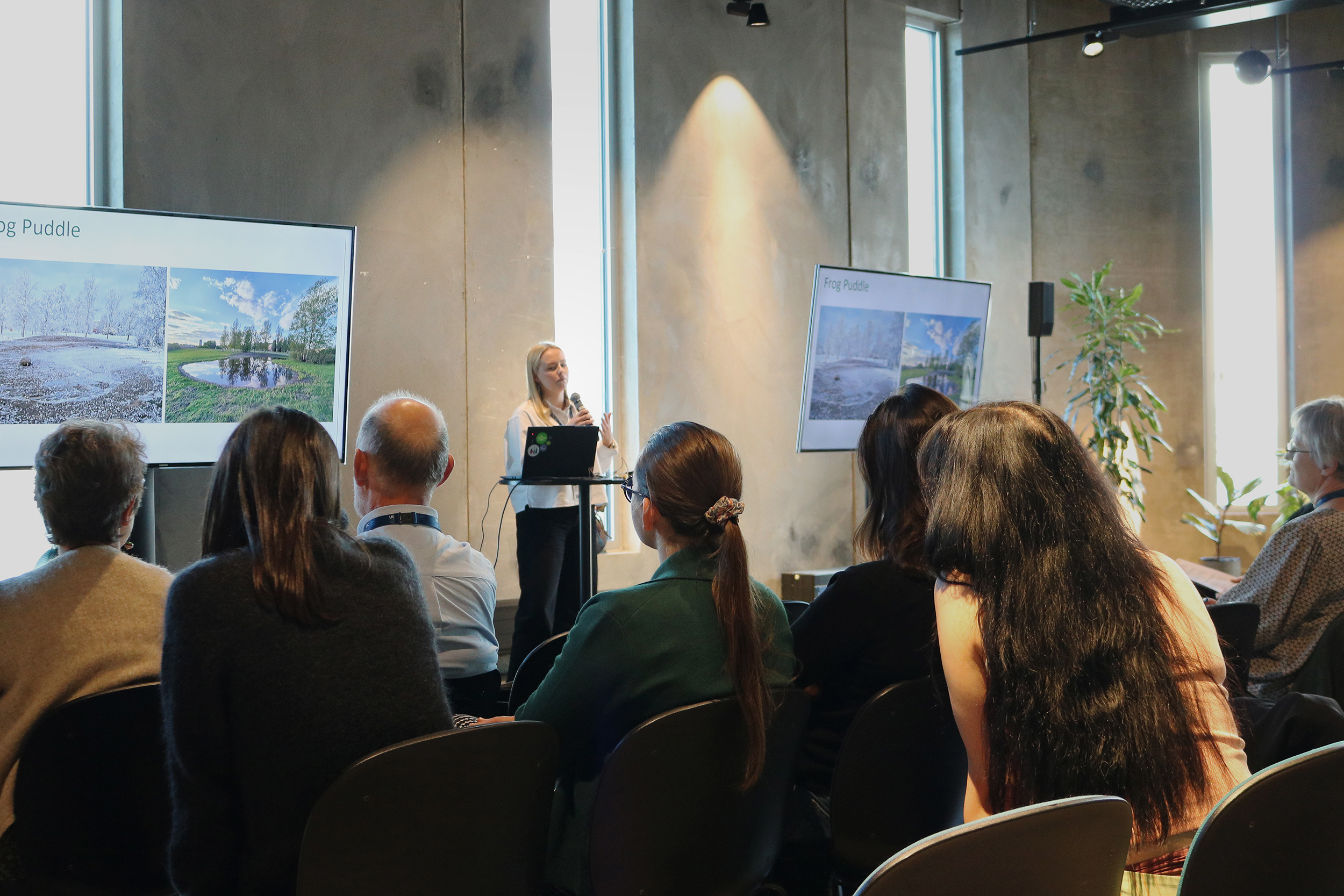
Turku establishes Europe’s first urban biodiversity park, while Riga is developing a city-wide green infrastructure plan based on nature-based solutions. Umeå has created a biotope database to better integrate biodiversity in city planning, and in Tartu, biodesign initiatives are transforming urban areas into biodiverse meadows, engaging citizens in greening their city.
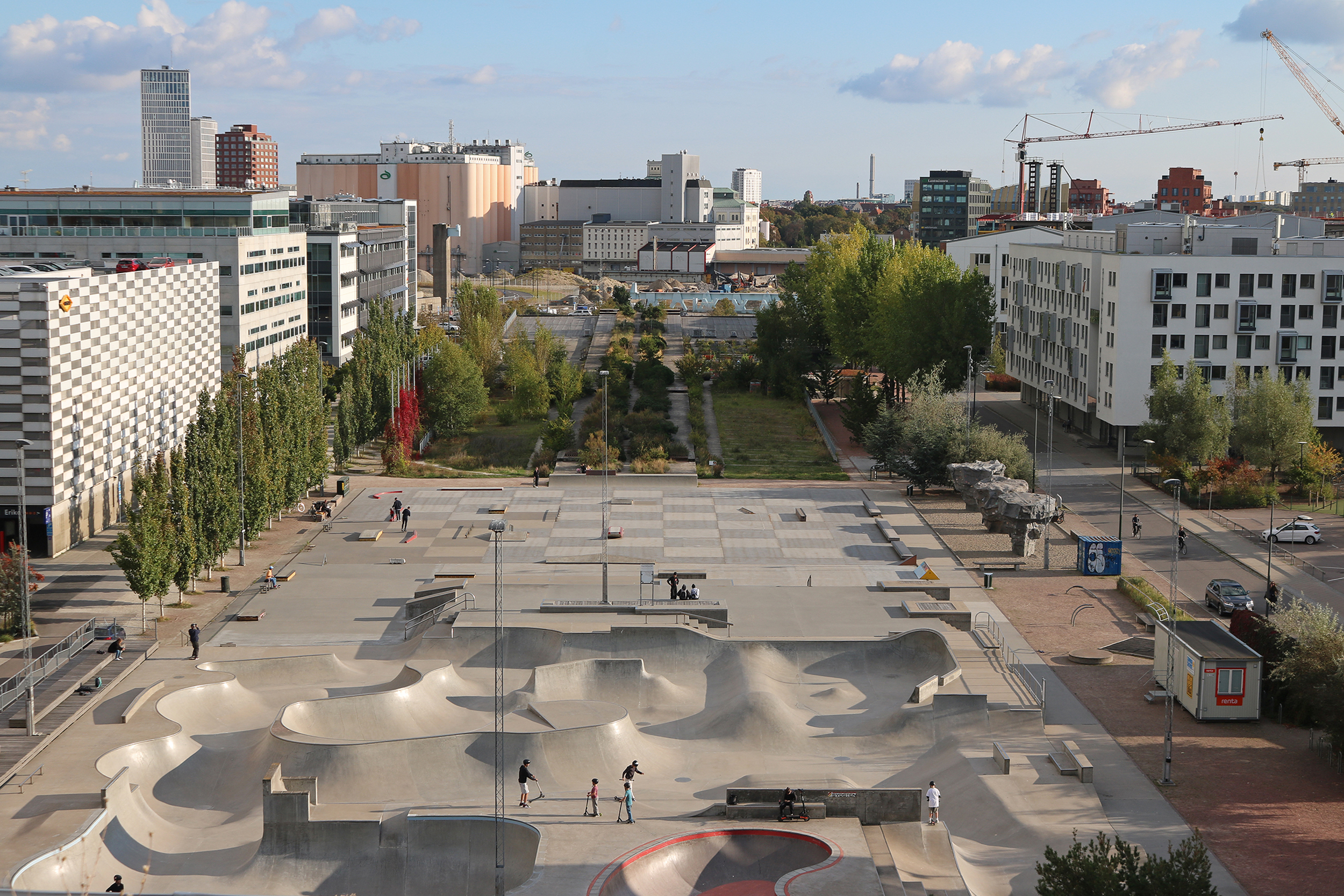
These efforts were complemented by on-site visits in Malmö, where participants experienced concrete examples of adaptation and greening in the Western Harbour and Bo01 neighbourhood, as well as in Augustenborg, Beijer’s and Sege parks, a vivid demonstration of how cities are experimenting innovations and putting sustainability into practice.
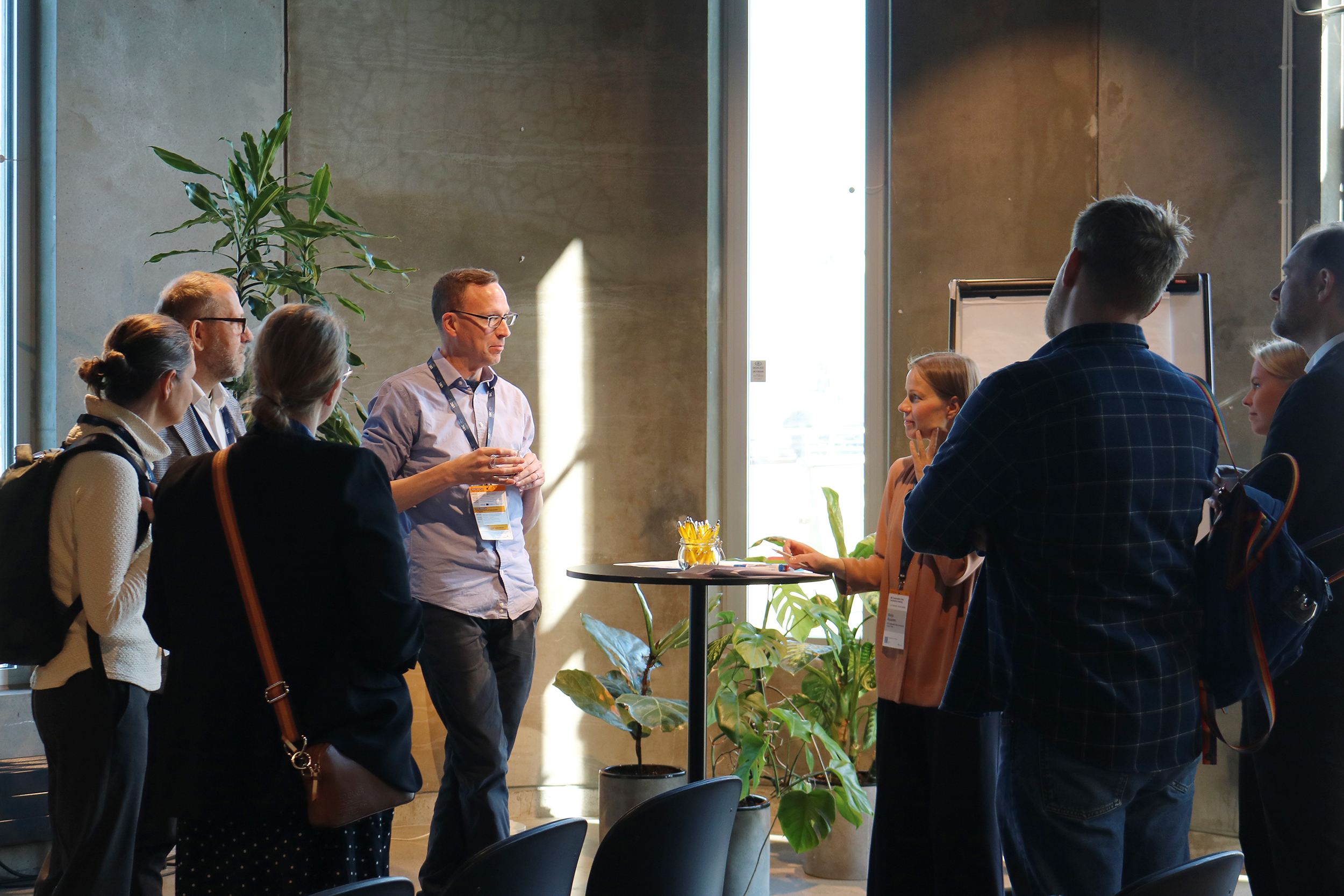
Throughout site visits, city reflections, and group brainstorming sessions, the importance of involving citizens in planning and maintaining urban green spaces was a recurring theme. Increasing social ownership and environmental awareness are vital for success, as are political will, knowledge about risks, and resources for implementation.
Climate adaptation and biodiversity are not just environmental necessities – they are essential investments into the quality of urban life.
Workshop on PFAS pollution
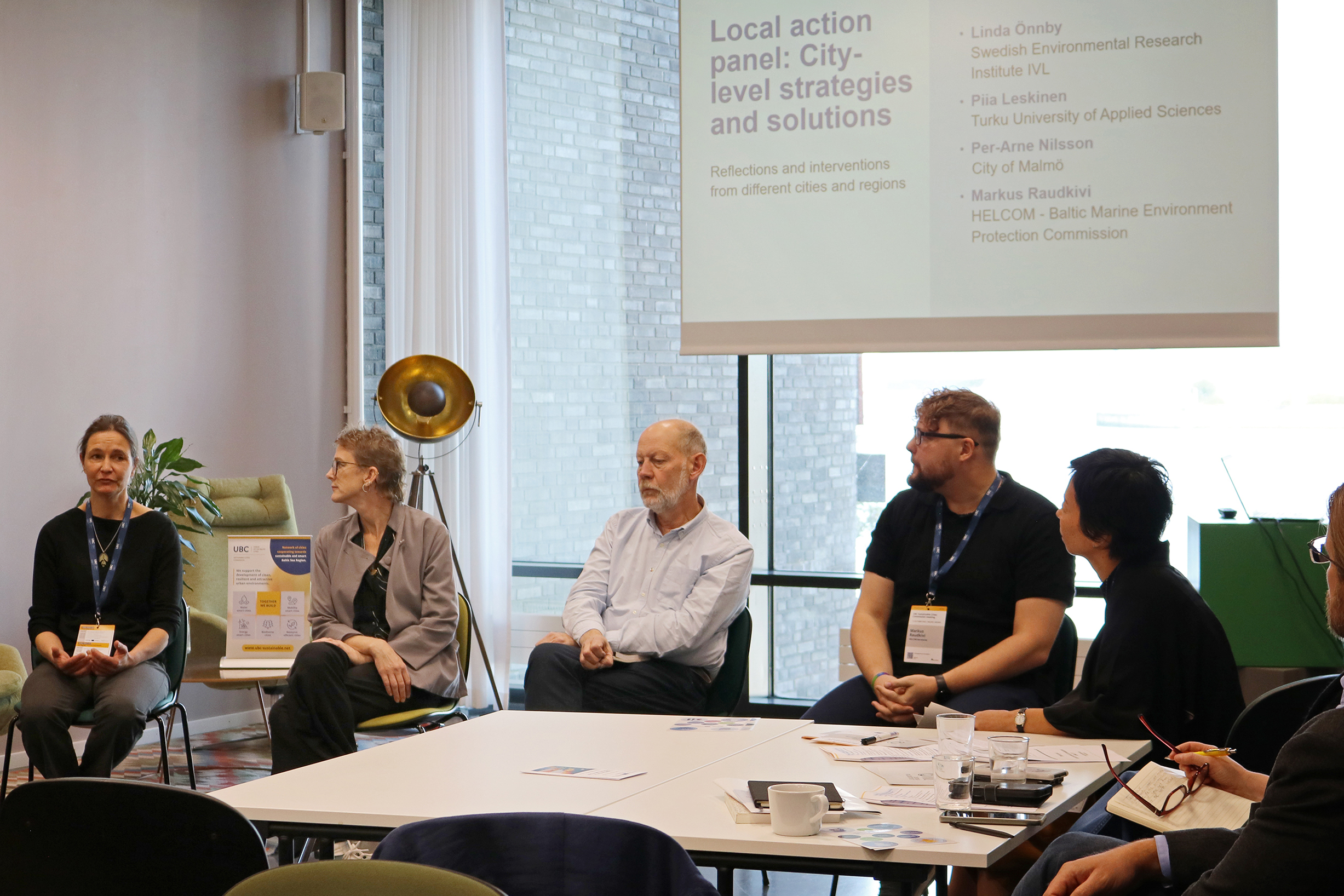
The final day featured a dedicated workshop on the growing concern of PFAS pollution in urban environments, supported by the EMPEREST project and organized by the UBC SCC together with the Swedish Environmental Research Institute IVL.
At the workshop, targeted especially at local authorities, participants exchanged local strategies and approaches to identify, monitor, and mitigate PFAS contamination.
PFAS are everywhere, and cities are at the forefront of this action, addressing not only the state of the environment but also the health risks of their citizens. It’s important to have all sectors on board in the response to this challenge, from product manufacturing and consumer choices to wastewater treatment. Good news is, the awareness of PFAS has been steadily growing in the Baltic Sea Region, not in the least thanks to efforts of all the projects like EMPEREST working on this topic.
The balance between hope and despair
This annual meeting came at a critical time, as cities across the Baltic Sea Region face growing climate risks and biodiversity loss. The event offered municipal leaders a unique opportunity to gain cutting-edge knowledge on climate budgeting, exchange experiences on climate adaptation, and learn innovative methods for urban nature integration and pollution mitigation.
“Networks like ICLEI or UBC can create the impulses for climate action.”
— Jörg Knieling, HafenCity University Hamburg
Beyond its rich content, the event emphasized peer learning, co-creation, and partnership-building – the hallmarks of the UBC network’s commitment to a sustainable, climate-neutral, and biodiverse urban future.