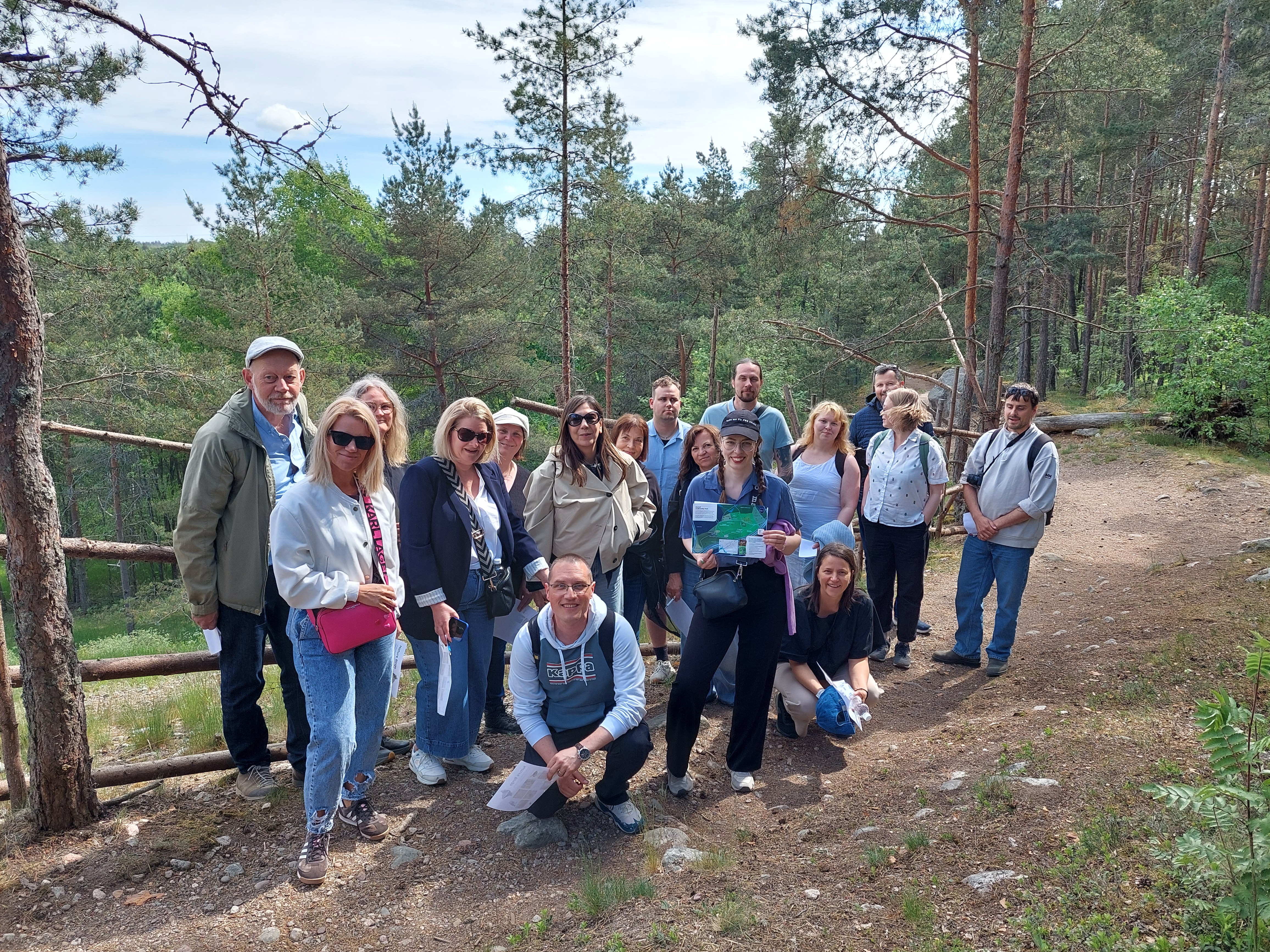
Visiting Europe’s first biodiversity park in Skanssi highlighted the value of learning in practice
The first day focused on Skanssi Biodiversity Park and the practical experience gained from implementation so far. A key takeaway was that creating an urban biodiversity park requires long-term commitment, continuous learning, and the ability to adapt plans as the work progresses.
“Taking biodiversity into account in the design process requires a deep understanding of the site and a shift from rigid plans toward a more experimental, continuously evolving approach. Instead of designing solely from our desks, we have spent a lot of time on-site in the park and learned that as our knowledge grows, we must be prepared to adapt our plans.” says Annika Pöyhtäri, Project Manager of the Urban Biodiversity Parks project.
Participants also agreed on the importance of allowing different perspectives and opinions throughout the process in order to achieve the best possible outcome.
One common challenge discussed by the participating cities was how to measure biodiversity and assess the impacts of different approaches. Measuring biodiversity change over the course of just one or two years is rarely very informative. A key message was that perhaps biodiversity work should be based on meaningful baseline comparisons and indicator species rather than broad or circular metrics. Ultimately, the most effective nature-based solutions are not necessarily the most expensive, but those best suited to the local ecosystem.
The discussions also highlighted how visitor management, participatory nature management, and monitoring can strengthen both ecological outcomes and the park’s role as a shared urban space and learning environment for local communities.
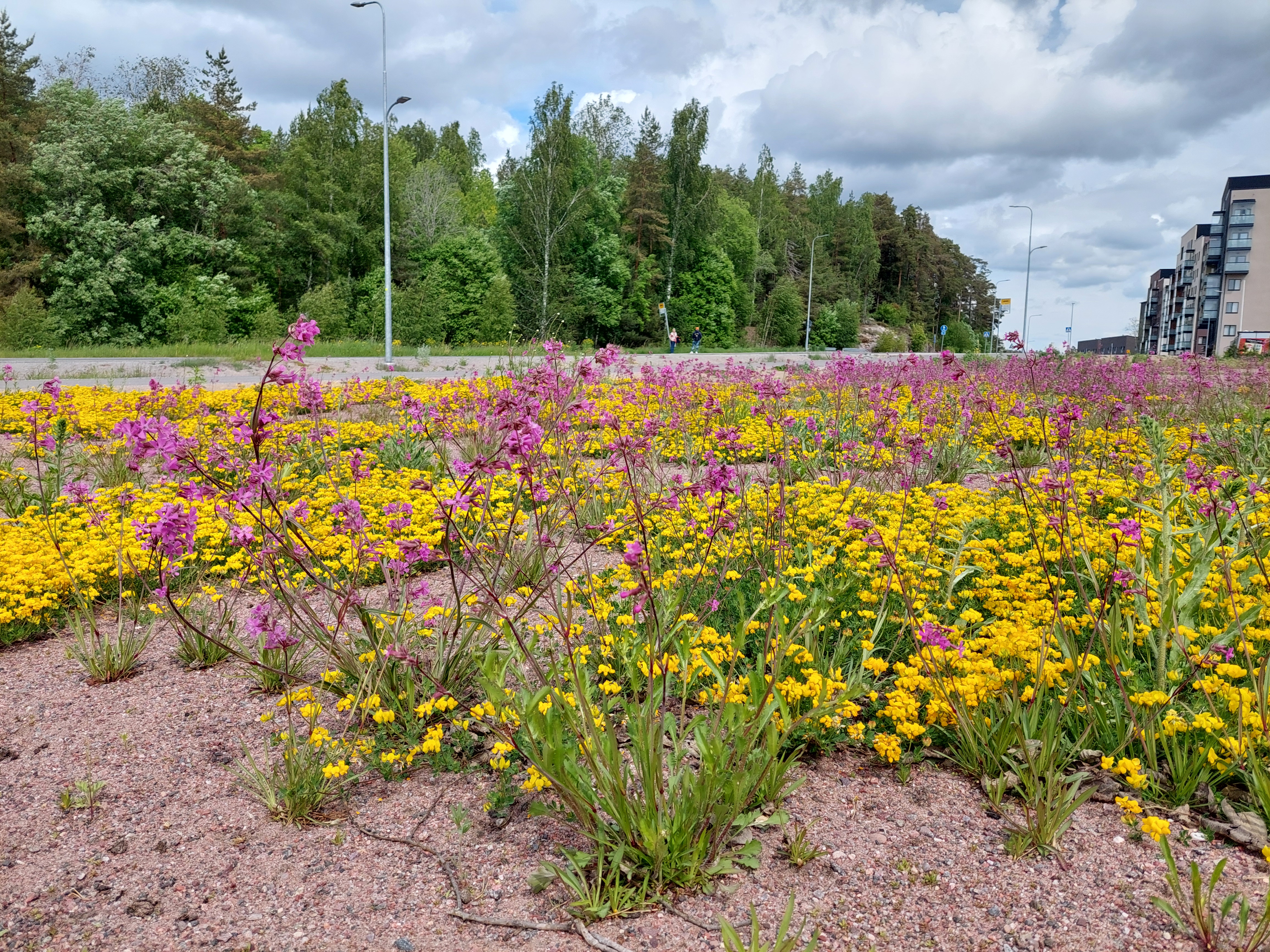
On the photo: A seed meadow, introduced as an experimental measure in Skanssi, supports the production of seeds from native plant species.
“The transfer cities identified strong replication potential in many of the solutions already introduced in Skanssi. These included ways to increase the amount of decaying wood, such as hedges and formations made from cut logs, as well as natural elements like new types of benches and an experimental limestone meadow. Turku’s approaches to engaging citizens in nature management, including the removal of invasive species and the construction of a traditional fence, also attracted considerable interest. One point on which everyone agreed was that the importance of communication can never be underestimated,” summarises Maija Rusanen, Senior Advisor at the City of Turku.
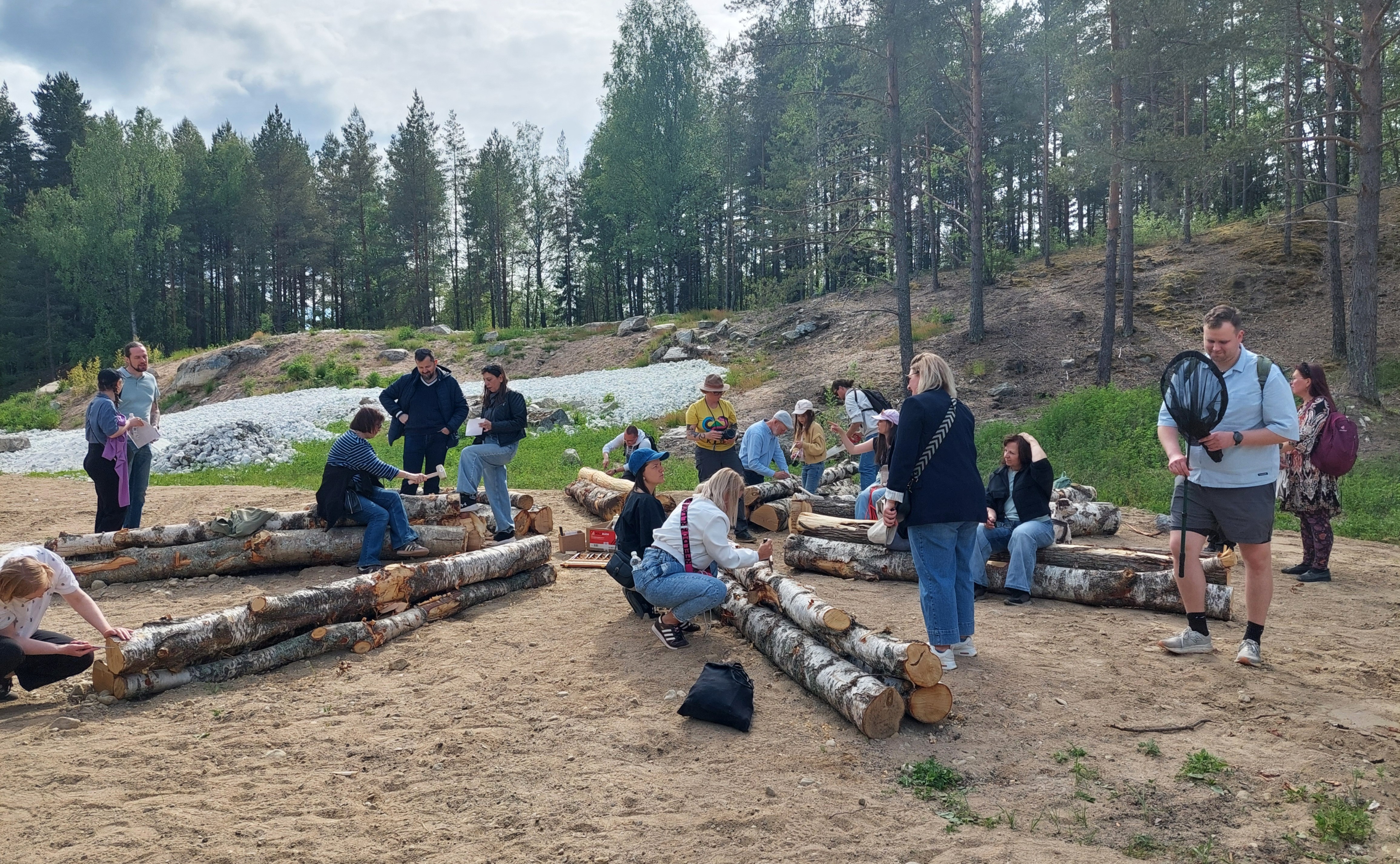
Neighbourhood pilots highlighted the importance of community-based approaches
The second day shifted attention to the suburban pilot areas in Halinen and Jyrkkälä, where biodiversity work is closely connected to everyday neighbourhood life. The visit highlighted that local pilots create value not only for nature, but also for inclusion, participation, and residents’ sense of ownership. Community gardening, co-creative processes, and small-scale experimentation emerged as practical ways to test ideas, build trust, and connect biodiversity goals with broader social benefits. In summer 2026, small-scale investments designed in collaboration with local communities will be implemented to enhance biodiversity.
"What inspired us most was the number of simple, practical solutions that can be implemented immediately. The visit demonstrated that supporting biodiversity does not always require major investments – often it is about changing the way we design, manage and perceive public spaces. This is a lesson we will take forward both in the development of a new urban park where biodiversity elements will be transferred, and in the preparation of Košice’s Biodiversity and Blue-Green Infrastructure Strategy." summarises Mária Ház the lessons learned after two days of field trips.
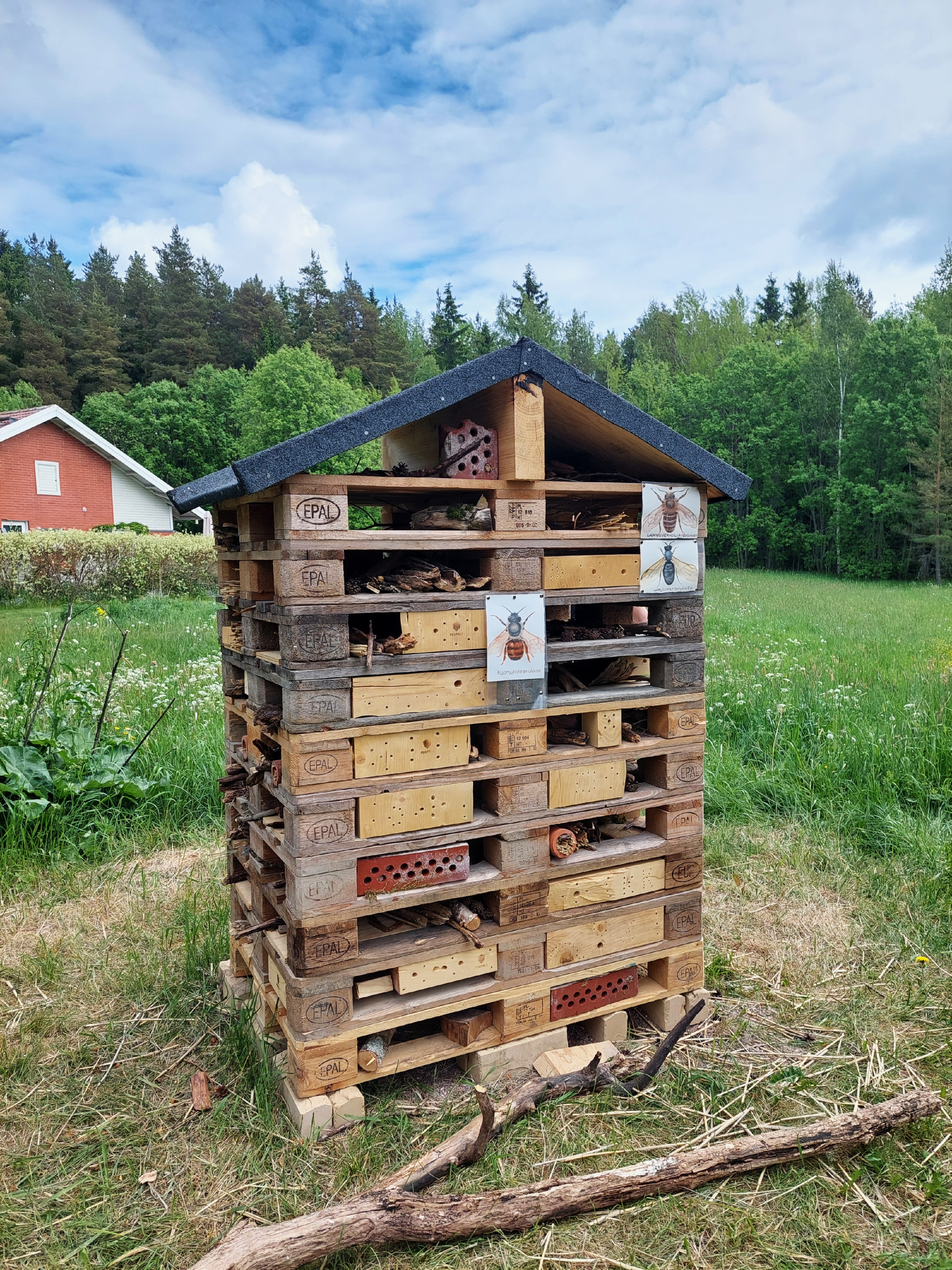
On the photo: An insect hotel is one of the ways to create a multi-species environment in the Halinen neighbourhood, alongside other biodiversity-enhancing measures.
Making biodiversity a shared responsibility
The final day focused on how cities can join forces with private sector actors to embed biodiversity more systematically in urban development. The discussion explored what would encourage companies to commit to biodiversity enhancement – whether stronger requirements, clearer incentives, or a combination of both. Participants agreed that both are needed. Within the project, the market dialogue approach has proven effective in raising awareness among both companies and city planners. A shared conclusion was that clear biodiversity goals should be integrated from the very beginning of any development process, ideally together with indicators to support follow-up. At the same time, the discussion returned to a question raised on the first day: how should biodiversity be measured? This remains a challenge shared by cities across Europe.
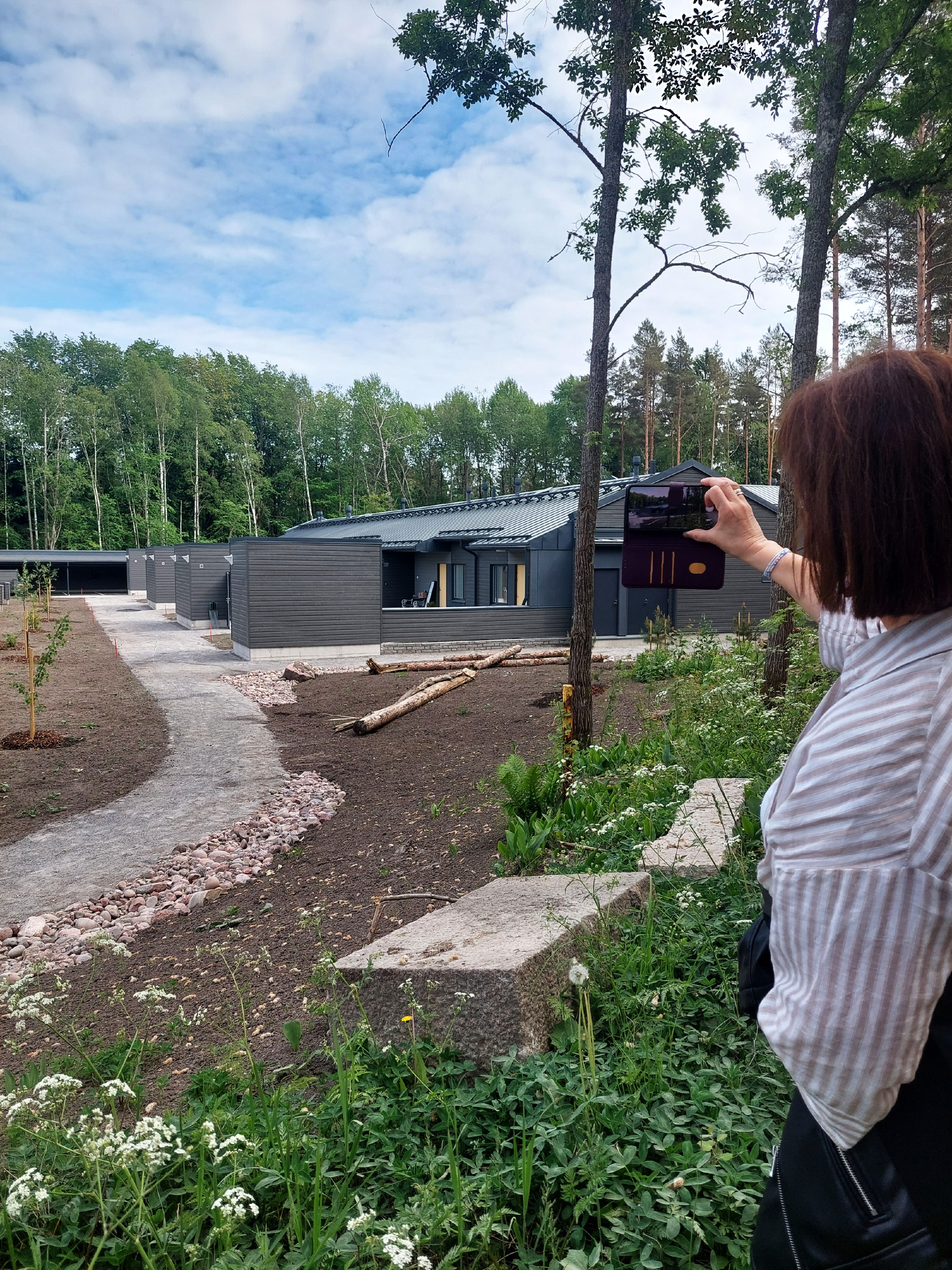
On the photo: Right-of-occupancy housing developer Vaso Ltd. piloted new ways to enhance biodiversity at its housing development site. This has meant, for example, introducing meadow areas instead of lawns and adding decaying wood.
Author: Maija Rusanen, City of Turku/ Union of the Baltic Cities Sustainable Cities Commission
All photos: Maija Rusanen