Yet one challenge remains common: turning ambition into action.
The Interreg-funded BSR Urban Mobility project platform supports cities exactly at this point. It brings together cities, regions, and experts into one shared platform and helps local authorities use existing knowledge, tested tools, and practical experience more effectively. Instead of working alone, cities can build on what others have already developed and adapt it to their own local context.
Understanding where cities stand today
BSR Urban Mobility launched its work in 2025 by building a clear picture of the current situation in cities across the region. The platform collected feedback through a survey among Baltic Sea Region cities and regions, asking about mobility planning practices, key challenges, and preparedness for new requirements such as the revised TEN‑T regulation. This work gives a clear overview of how cities currently approach sustainable urban mobility and logistics planning. The survey got 86 responses covering all EUSBSR countries.
To deepen this understanding, the platform organises focus group discussions with selected cities. These discussions give city representatives and local mobility teams the opportunity to reflect on the survey findings, share their experiences, and identify what kind of support would help them most in their daily work.
Together, these activities create a shared understanding of where cities stand today and what they need next.
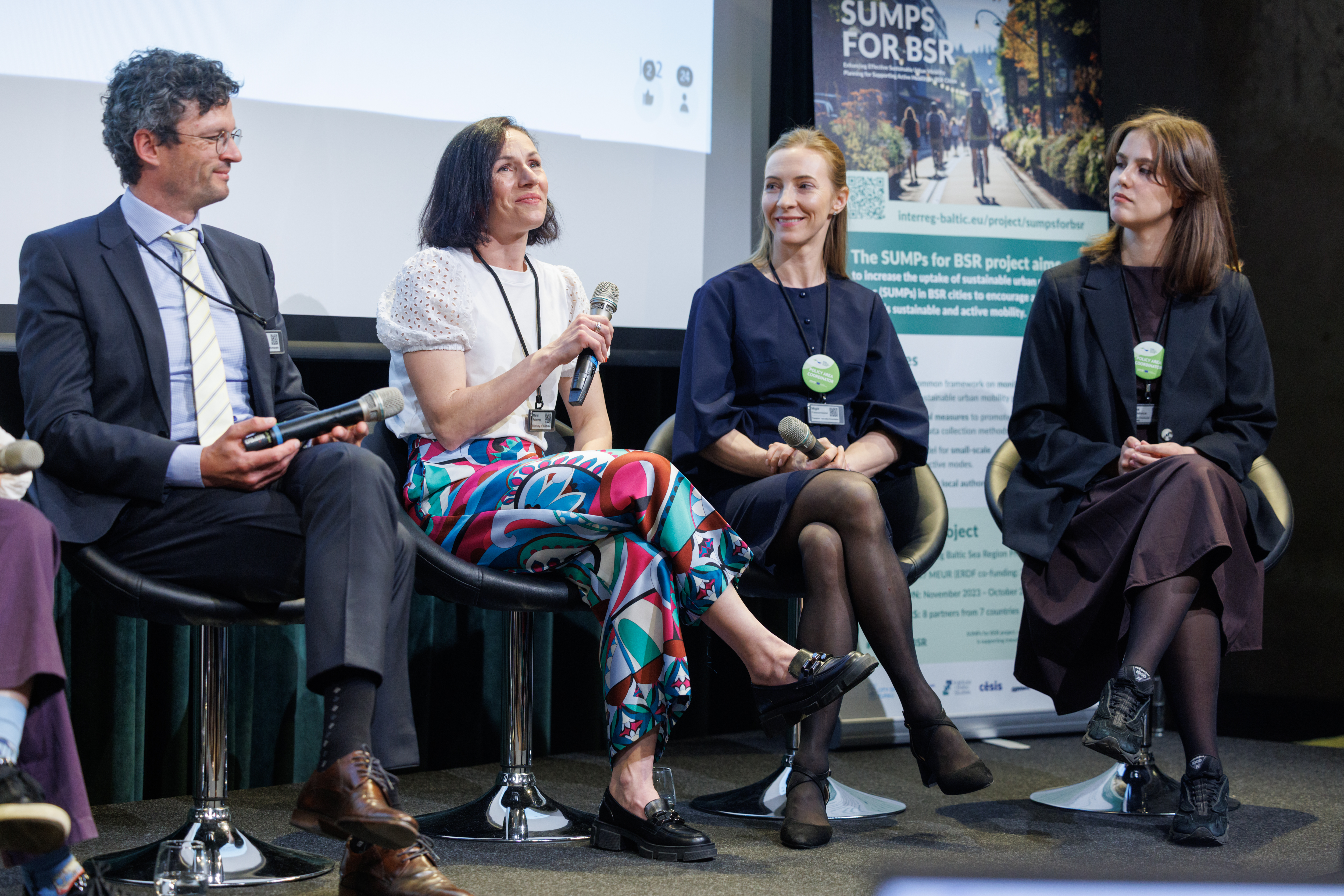
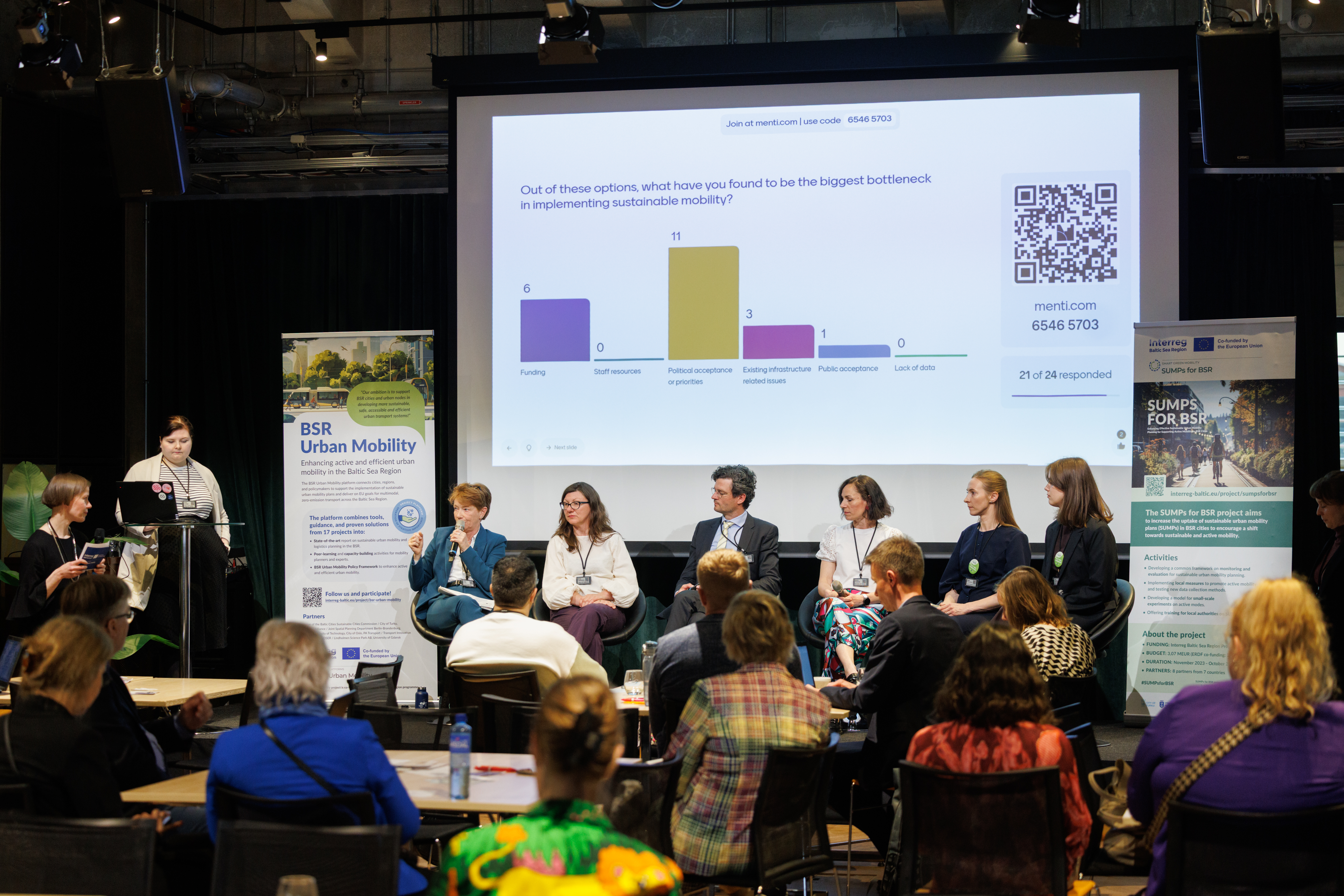
Read more about the EUSBSR Annual Forum 2026 and what happened there from another article: Cities driving resilience and mobility at the EUSBSR Annual Forum 2026.
From insights to practical support through peer learning
Based on these findings, the platform now moves into its next phase: providing practical, targeted support for cities.
The platform will organise a series of 12 online and in-person training sessions, workshops, and peer learning activities over the next two years. It builds the content of these activities directly on the needs identified in the survey, ensuring that the training reflects real challenges faced by cities.
The sessions focus on areas where cities have clearly asked for support, such as sustainable urban mobility and logistics planning, active mobility, multimodal solutions, and the implementation of TEN‑T requirements. Cities can apply this knowledge when updating mobility plans, preparing for new regulations, improving cooperation across departments, or identifying solutions that have already been tested elsewhere.
At the same time, cities can learn from each other. Through workshops, webinars, and discussions, municipalities exchange experiences, compare approaches, and explore solutions together. This peer learning approach helps cities move forward with greater confidence, supported by real examples from other local authorities facing similar challenges. It also gives teams easier access to practical knowledge, encourages honest discussion about what works and what does not, and helps cities adapt ideas to their own context. Instead of solving challenges alone, cities develop and improve solutions together.
You can find information on upcoming peer-learning sessions from the Baltic Sea Region SUMP Competence Centre.
A long-term resource for cities
To ensure long-term impact, the platform continues to develop the Baltic Sea Region SUMP Competence Centre, building on the work carried out in the SUMPs for BSR project.
The Competence Centre serves as an online hub where cities can access training materials, tools, guidelines, and examples from across the region. It supports cities at different stages of their sustainable urban mobility and logistics planning process, whether they are just starting or strengthening existing plans and activities.
Supporting cities in moving forward
The BSR Urban Mobility project platform shows how cooperation can turn shared challenges into shared solutions. It listens to cities, builds support around their needs, and creates practical opportunities to learn, test, and improve together.
The platform translates insights from surveys, focus groups, training activities, and transnational dialogue into a BSR Urban Mobility Policy Framework. This framework provides concrete recommendations based on cities’ experiences and needs and supports urban mobility planning at local, national, and European levels.
For cities across the Baltic Sea Region, this means more than better access to information. It gives local teams stronger support in their daily work, provides practical tools for planning and implementation, and connects them to a wider network of peers facing similar challenges. Over time, this helps cities move faster from planning to action and build transport systems that are cleaner, safer, more efficient, and easier to use in everyday life.
Stay updated of the project platform’s activities by subscribing to our mailing list and be one of the first people to hear about our updates.