Under the ESCO model, over 13,000 outdated lighting fixtures have been replaced in 27 educational institutions across Liepāja. As a result, lighting capacity has been reduced by 62%, annual electricity consumption has decreased by 570 MWh (equivalent to savings of approximately €120,000), and CO₂ emissions have been cut by 62 tonnes annually, comparable to the emissions of 25 cars per year.
The ESCO model allows the municipality to pay for the service gradually over a seven-year period, rather than making a one-time investment. Following a public procurement procedure, the Liepāja Municipality signed a contract with SIA “RCG Lighthouse”, with a total value of €1,102,310 (including VAT). After this period, the lighting fixtures will become the property of the municipality, ensuring long-term savings. It is estimated that lighting costs will be reduced by around 60%, with an additional €10,000 saved annually on maintenance and €7,200 on reduced power connection charges.
Improvements are not limited to educational institutions - the municipality is also upgrading public infrastructure citywide, taking advantage of the Latvian state budget programme supported by the Emission Quota Auction Instrument (EKII).
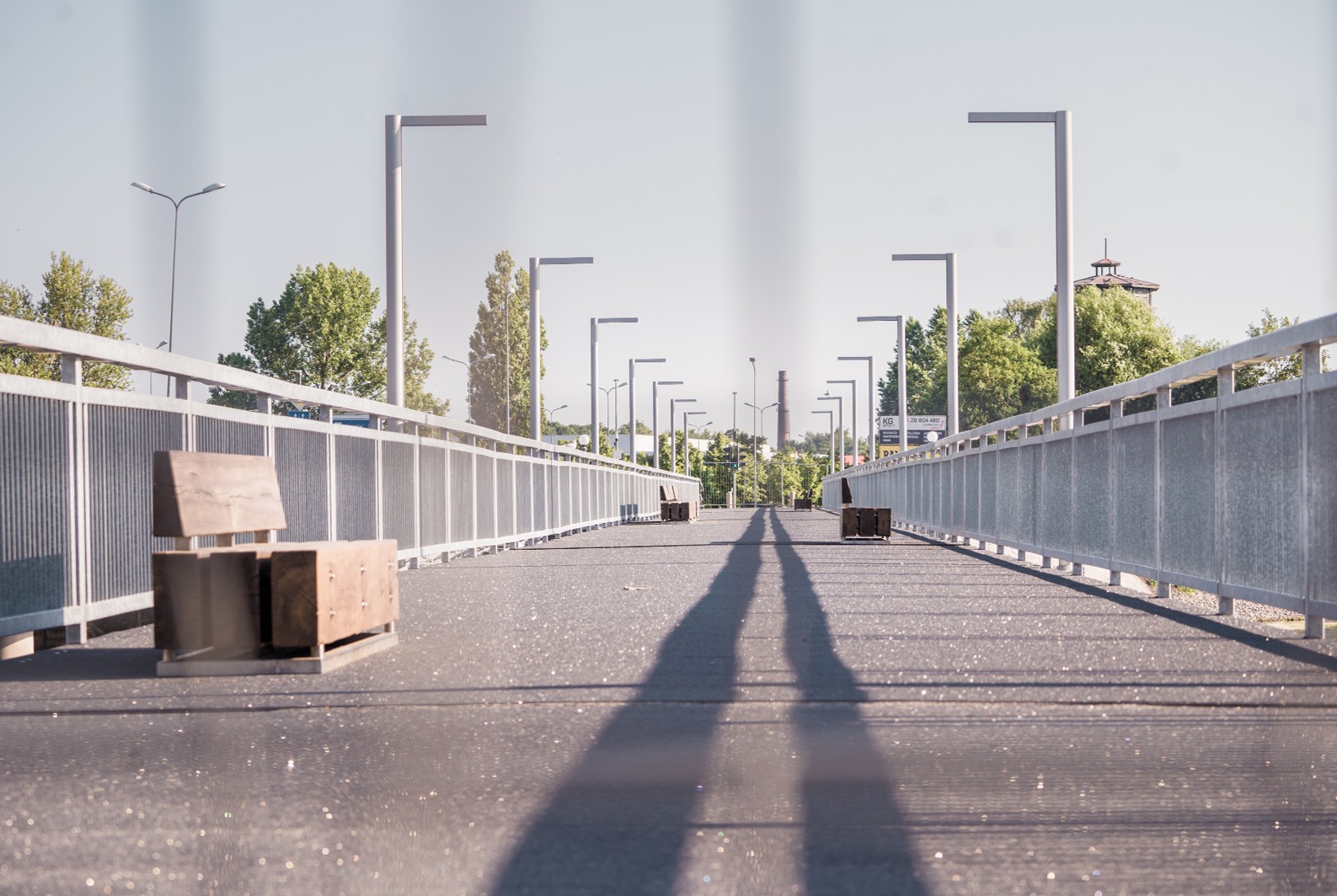
In Phase 1 of the EKII programme, 4,924 streetlights have already been replaced. As a result, the system’s capacity has dropped from 880.5 kW to 201.5 kW, leading to annual energy savings of nearly 1,856 MWh (~€316,000) and a CO₂ emissions reduction of 475 tonnes, equivalent to the annual emissions of 220 households. The total investment in Phase 1 exceeded €1.1 million, of which EKII funded 63.33% (€727,489.02) and the Liepāja City Municipality funded 36.77% (€421,623.25).
In 2025, the Phase 2 EKII project is being implemented, involving the modernisation of 2,012 streetlights and the integration of smart technologies, such as sensors, segment controllers, and real-time fault monitoring. These innovations will allow automatic adjustment of lighting intensity, enhancing both efficiency and sustainability.
Planned benefits include a reduction in system capacity from 281 kW to 52 kW, annual electricity consumption falling from 1,003 MWh to 250 MWh, financial savings of around €141,500 per year, and a CO₂ reduction of 82 tonnes - comparable to the emissions of 41 Riga–Brussels flights. The project is supported by EKII, which covers up to 70% of the costs (no more than €560,000), with the Liepāja City Municipality contributing at least 30% (~€240,000).
In October 2024, Liepāja became the first city in the Baltics to receive the European Union Mission Label, recognising the city’s leadership in the transition towards climate neutrality. This acknowledgment is part of the EU’s initiative to support 100 European cities on their path to becoming climate neutral by 2030.
By combining ESCO services in educational institutions with EKII-funded projects in public infrastructure, Liepāja achieves annual savings of over €578,000, reduces energy consumption by 3,400 MWh, and cuts CO₂ emissions by 620 tonnes, equivalent to the emissions of 250 households or the carbon sequestration capacity of 31,000 newly planted trees.
EKII is a state-funded grant that does not require repayment, while the ESCO model is based on private investment, which the municipality repays gradually using the savings from reduced energy consumption.
The Liepāja City Municipality remains committed to advancing innovation and sustainable solutions in order to achieve climate neutrality and to ensure a modern, safe, and environmentally friendly urban environment for its residents.
Author: Karlis Beihmanis
Liepaja City
Office of the Executive Director
Project manager (Climate change and energy efficiency)
Mission 100 Climate-neutral and smart cities manager