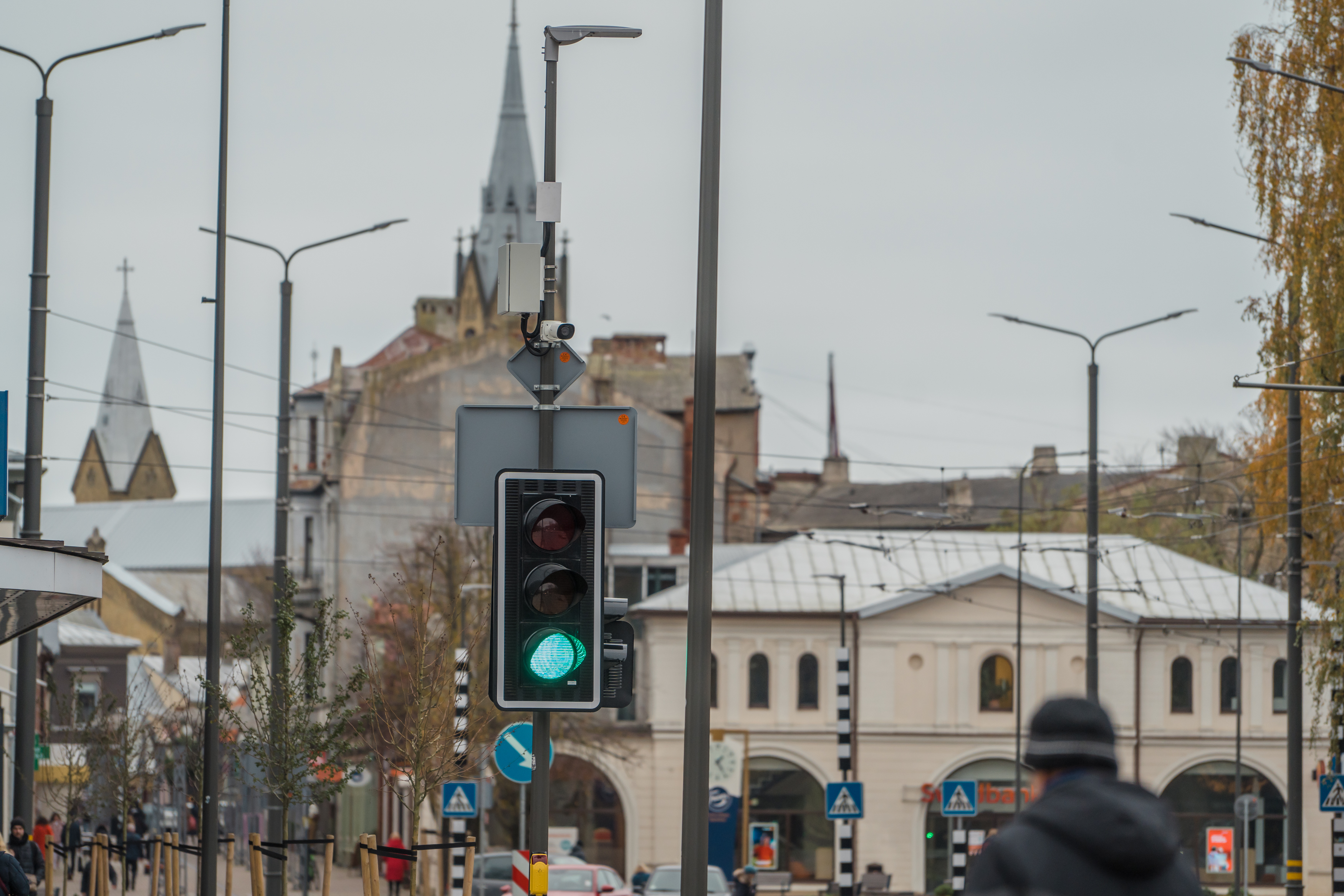
Traditionally, transport emissions are estimated using fuel sales data at national or regional levels – a method far too imprecise for meaningful local action. In 2024, Liepaja partnered with cleantech startup GaiaHub and EIT Urban Mobility to challenge this approach. The result: a scalable digital solution that uses artificial intelligence and computer vision to track vehicle flows and calculate street-level CO2 emissions in real time.
Installed at key intersections in Liepaja’s city centre, the system entered its first operational phase in early 2025. By spring 2025, it was already delivering valuable insights into the relationship between traffic patterns, vehicle type and count and emissions. This data is helping the city prepare for future Low Emission Zones, optimise road use, and better engage residents in its climate goals.
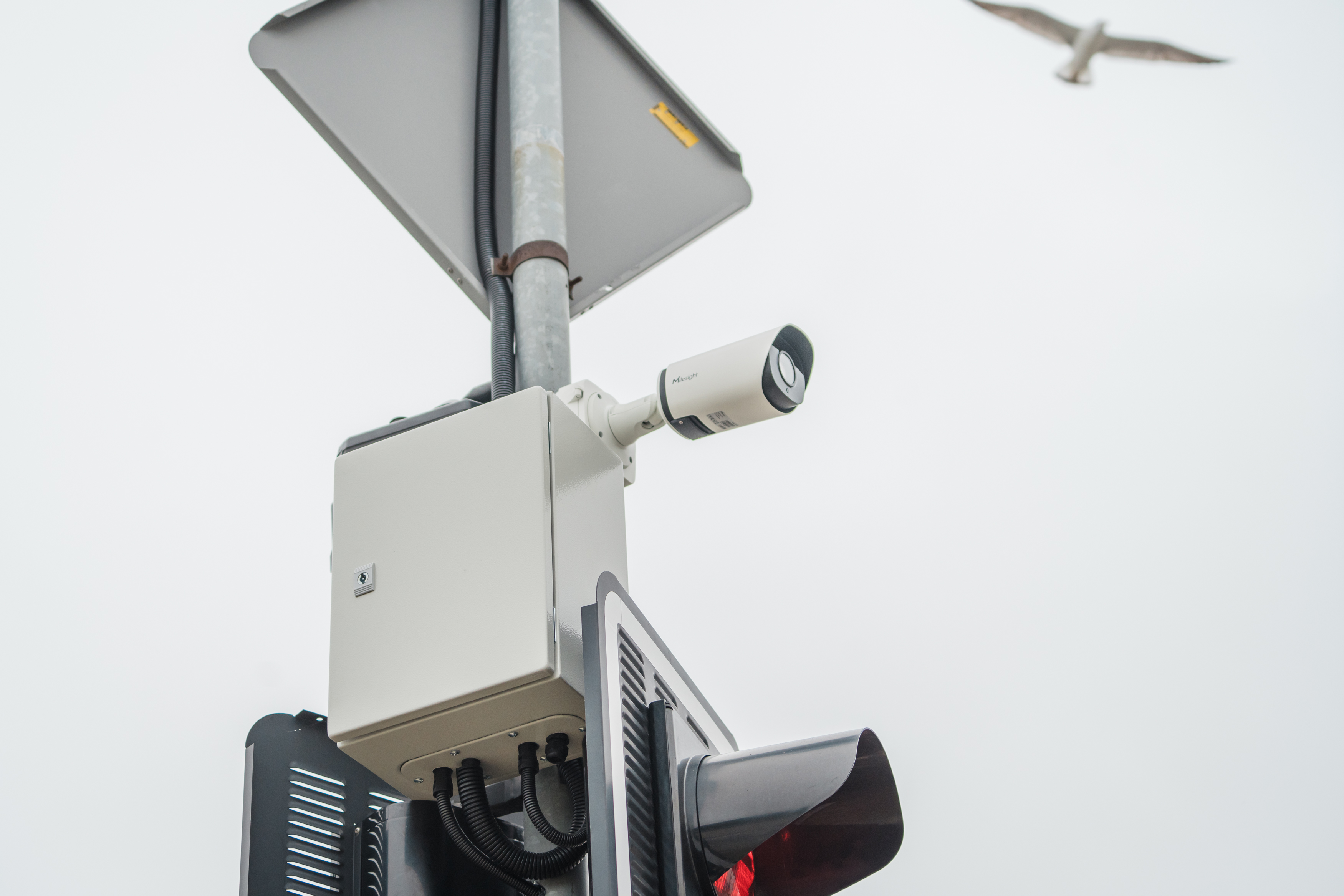
Initial results from the pilot indicate that the largest part of vehicles in monitored areas run on diesel. The system also allows the city to observe how traffic volumes shift during large public events, as well as identify specific hours of the day when vehicle flow – and therefore emissions – peak. Furthermore, it provides visibility into the share of hybrid and electric vehicles on the roads, offering a valuable indicator of green transport modes.
Beyond Liepaja, the system has the potential to reshape CO2 emissions methodology across Europe. By providing accurate, location-specific data, it enables cities to shift from reactive planning to proactive, evidence-based climate strategies. This is also a strong example of how Liepaja is developing its pilot territories initiative, supporting international start-ups and creating space for testing bold, future-ready solutions.
Written by Karlis Beihmanis, Liepaja Central Administration, Executive Director’s Office